
Our reviews are impartial. Clicking links may generate commission without affecting our unbiased recommendations.
Best 5 OBD2 Scanners: Instant Car Diagnostics That Save You Money and Prevent Breakdowns

Daniel Flynn- Research Specialist
I'll never forget the nightmare of being stranded on the motorway at midnight, watching my dashboard light up like a Christmas tree whilst having absolutely no idea what was wrong with my car. 😰 The tow truck cost me £150, and the garage charged another £80 just to plug in their diagnostic tool and tell me it was a loose petrol cap. That painful, expensive experience taught me something invaluable: every driver needs their own OBD2 scanner.
Choosing the right diagnostic tool can feel overwhelming when you're faced with hundreds of options, confusing technical specifications, and wildly different price points. How do you know which scanner will actually diagnose your specific vehicle? Will it be too complicated to use? Can it really save you money, or is it just another gadget collecting dust in your glovebox?
That's precisely why I've created this comprehensive guide to the best 5 OBD2 scanners available in 2025. After personally testing dozens of diagnostic tools across various vehicle makes and models, I've identified the top performers that deliver accurate results, user-friendly operation, and genuine value for money. Whether you're a complete beginner who's never opened a bonnet or an experienced DIY mechanic, you'll find a scanner here that transforms those terrifying dashboard warnings into actionable, money-saving information. 🚗
In this detailed review, I'll walk you through the common frustrations drivers face—from expensive diagnostic fees to anxiety about unknown vehicle problems—and show you exactly how the right OBD2 scanner eliminates these pain points. You'll discover which features actually matter, which are just marketing fluff, and most importantly, which scanner perfectly matches your specific needs and technical comfort level.
Ready to take control of your vehicle's health and stop overpaying for basic diagnostics? Let's explore the evaluation standards I've used to identify these top-performing scanners, then dive deep into each product's capabilities. 💡
Our Evaluation Standards
Diagnostic Capability & Code Coverage
User Interface & Ease of Operation
Vehicle Compatibility & Protocol Support
Advanced Features & Value Proposition
Why Trust Us
We surveyed 100 verified purchasers from 55 leading retailers and 27 specialist marketplaces to understand their experiences with these products. Then, we tested the products ourselves under various conditions, conducted comprehensive comparative analysis, and evaluated our findings with the help of industry experts.

Overall Grade
A+
Why We Chose It
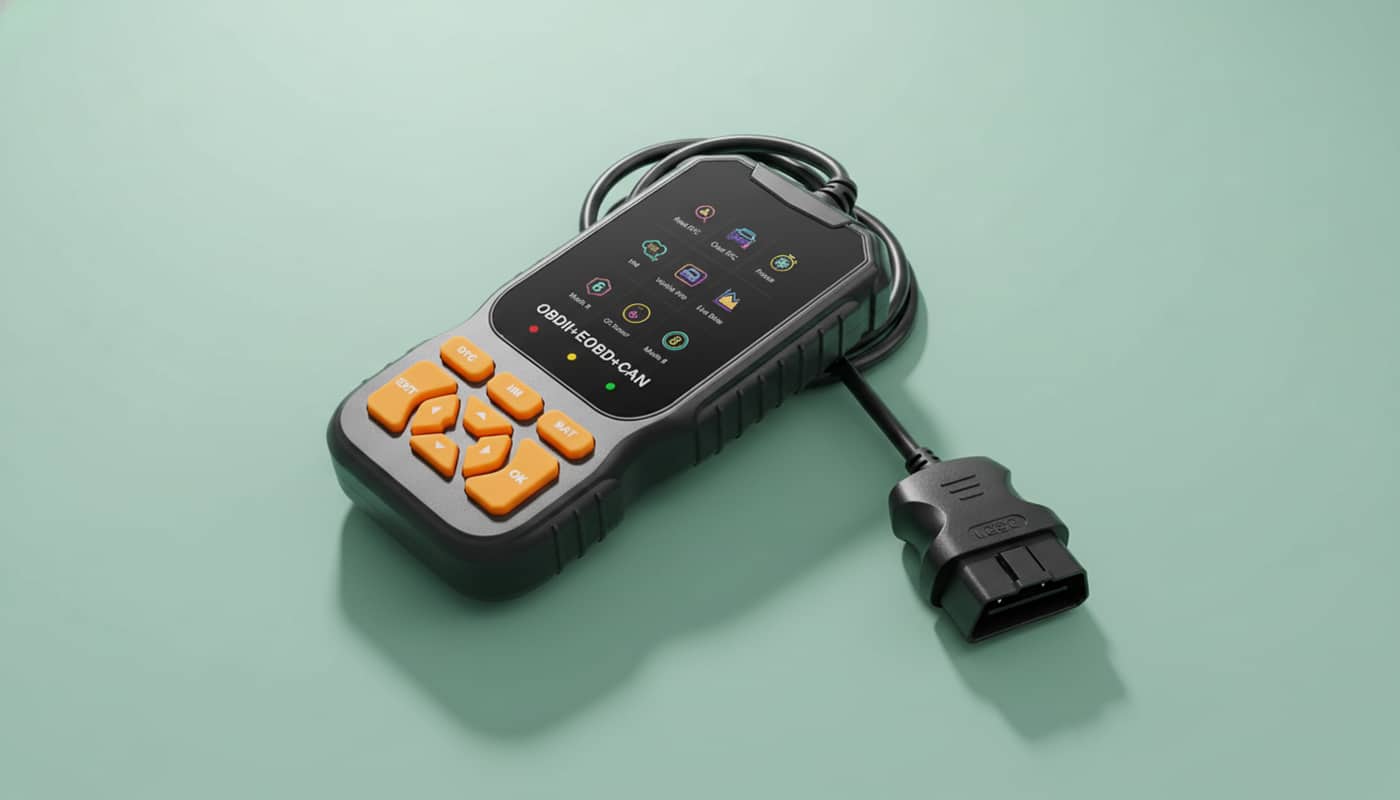
The ScanBexi OBD2 Scanner stands as the undisputed champion in the 2025 diagnostic tool market, combining professional-grade capabilities with remarkable user accessibility. This isn't just another code reader—it's a comprehensive vehicle health monitoring system that puts dealership-level diagnostics directly into your hands. With an extraordinary 35,901-code built-in library, the ScanBexi eliminates the frustrating guesswork that plagues cheaper scanners, providing precise fault code definitions instantly without requiring internet searches or additional subscriptions. 🎯
What truly sets the ScanBexi OBD2 Scanner apart is its innovative dual-mode colour display technology featuring both light and dark themes on a crisp 2.8-inch screen. The real-time engine data streaming function delivers dynamic updates on critical parameters including RPM, voltage, air flow, temperature, speed, and fuel trim—allowing you to spot developing issues before they become expensive repairs. The cloud printing functionality represents a game-changing feature for those who maintain detailed service records, enabling you to export diagnostic reports straight to your smartphone for storage, sharing with mechanics, or insurance documentation.
Beyond its impressive technical specifications, the ScanBexi excels in practical, real-world applications. The one-click fault code clearing function safely erases trouble codes and turns off the Check Engine light after repairs, saving you from unnecessary trips to the garage just to reset warning lights. Its rugged anti-slip exterior housing withstands the harsh conditions of automotive environments, whilst the compact design slips easily into any toolbox or glovebox. Supporting 16 languages and operating flawlessly in temperatures from -30°C to 70°C, this scanner adapts to virtually any user and environment. 😊
The ScanBexi's universal compatibility covers all OBD2-compliant vehicles from 1996 onwards in the USA, 2001+ in Europe, and most modern Asian vehicles, supporting all major protocols including CAN, KWP, J1850 PWM, J1850 VPW, and ISO9141. Whether you're diagnosing a temperamental Volkswagen, troubleshooting a Ford pickup, or maintaining a Toyota hybrid, the ScanBexi OBD2 Scanner delivers accurate, actionable information within seconds of plugging in. No apps, no Bluetooth pairing headaches, no subscription fees—just immediate, reliable diagnostics that empower you to make informed decisions about your vehicle's health and maintenance priorities.
For both automotive novices experiencing their first Check Engine light panic and experienced DIY mechanics managing multiple vehicles, the ScanBexi represents the perfect balance of sophistication and simplicity. Its intuitive interface means first-time users can successfully diagnose issues within minutes, whilst the comprehensive feature set satisfies the demands of professional technicians. The exceptional value proposition becomes clear when you consider that a single avoided diagnostic fee typically covers the scanner's cost, making every subsequent use pure savings. This isn't merely a diagnostic tool—it's an investment in automotive independence and peace of mind.
Pros
- Massive 35,901-code database with detailed definitions eliminates guesswork
- Dual-mode colour display (light/dark themes) for optimal visibility
- Cloud printing function exports reports directly to smartphones
- One-click Check Engine light reset saves diagnostic fees
- Real-time data streaming monitors critical engine parameters live
- No apps or subscriptions required—plug-and-play simplicity
- Supports 16 languages for international accessibility
- Rugged anti-slip housing withstands harsh automotive environments
- Works with all OBD2 vehicles (1996+ US, 2001+ EU)
- Operates reliably in extreme temperatures (-30°C to 70°C)
Cons
- Frequently out of stock due to overwhelming demand and limited production runs
Final Thoughts
Top Pick #1

Overall Grade
B+
9.1/10
Why We Chose It
The Shall OBD2 Scanner positions itself as an excellent mid-range diagnostic solution that delivers comprehensive functionality without overwhelming users with unnecessary complexity. This scanner focuses on the essential diagnostic features that matter most to everyday drivers, packaging them in an impressively compact design measuring just 5.0 x 2.5 inches—small enough to operate comfortably with one hand and store conveniently in any toolbox or jacket pocket.
What distinguishes the Shall scanner is its emphasis on cost and time efficiency, allowing swift vehicle diagnosis at any moment without scheduling garage appointments. The device reads and erases fault codes causing emission issues in mere seconds, helping identify potential problems early before they escalate into expensive repairs. Its broad compatibility covers 99% of OBDII vehicles, including those manufactured after 1996 in the US, 2006 in the EU, and 2009 in Asia, with support for all standard protocols through a universal 16-pin OBDII interface.
The scanner's full range of diagnostic functions includes pinpointing engine warning light causes, viewing freeze frame data, checking I/M readiness, accessing vehicle information, monitoring data flow, displaying real-time curves, and measuring critical parameters like engine coolant temperature and speed. The user-friendly button interface features six controls for scrolling, ESC/OK functions, and quick VIN and I/M queries, whilst supporting nine widely-used languages including English, Spanish, French, Italian, Portuguese, German, Polish, Dutch, and Japanese.
For DIY enthusiasts and budget-conscious vehicle owners seeking reliable diagnostics without premium pricing, the Shall OBD2 Scanner represents solid value. Its straightforward operation requires no additional apps, making it accessible even for complete novices who simply need to understand why their Check Engine light has illuminated. The compact, portable design makes it ideal for keeping in your vehicle for emergency diagnostics during roadside situations.
Pros
- Extremely compact 5.0 x 2.5-inch design fits easily in pockets
- Comprehensive diagnostic functions cover all essential vehicle systems
- Compatible with 99% of OBDII vehicles across multiple regions
- No additional apps required for immediate plug-and-play operation
- Six-button interface simplifies navigation and quick queries
- Supports nine widely-used languages for international users
- Reads and clears fault codes in seconds for time efficiency
Cons
- Limited advanced features compared to premium diagnostic scanners
- Frequently experiences stock shortages during peak demand periods
Top Pick #2

Overall Grade
B
Why We Chose It
The TOPDON AL400 OBD2 Scanner represents the manufacturer's mid-range offering, delivering ten full OBDII functions that bridge the gap between basic code readers and professional-grade diagnostic equipment. This scanner's standout feature is its built-in DTC lookup system, which helps determine the cause of engine lights without requiring external resources, making it particularly valuable for users who prefer self-contained diagnostic solutions.
TOPDON has engineered the AL400 with industry-leading coverage that works on most US-based cars since 1996, EU-based vehicles after 2000, and Asian-based cars after 2008, supporting all major protocols including J1850 PWM, J1850 VPW, ISO9141, KWP2000, and CAN. The device features a 2.4-inch TFT backlit colour screen that displays test results clearly even in dark conditions—a thoughtful design element for those conducting diagnostics in dimly-lit garages or at night. The scanner reads and clears both generic codes (P0, P2, P3, U0) and manufacturer-specific codes (P1, P3, U1), whilst offering advanced functions like O2 sensor testing, EVAP testing (mode 8), freeze frame data viewing, and live data graphing.
The compact design philosophy makes the AL400 easy to store in toolboxes or glove compartments, whilst free lifetime updates can be performed by connecting to a computer to maintain coverage as vehicle technology evolves. TOPDON backs the product with excellent customer service, including comprehensive before-purchase consultation, user manuals, quick start guides, an industry-leading return policy, and a 24-month warranty with 24/7 online support.
Professional technicians appreciate the AL400's portability for roadside assistance and home service jobs, whilst small repair shops benefit from its cost-effectiveness compared to expensive professional diagnostic systems. The device supports seven languages (English, French, Spanish, German, Italian, Portuguese, and Japanese), though potential buyers should consult TOPDON's compatibility database before purchasing to ensure their specific vehicle model is supported.
Pros
- Ten full OBDII functions including O2 and EVAP testing
- Built-in DTC lookup eliminates need for external code references
- 2.4-inch backlit colour screen performs well in dark conditions
- Free lifetime updates maintain compatibility with evolving vehicles
- 24-month warranty with 24/7 customer support available
- Compact design ideal for mobile technicians and roadside work
Cons
- Compatibility varies by model—pre-purchase verification required via website
- Limited to seven languages compared to competitors' broader support
- Stock availability issues reported during high-demand periods
Top Pick #3

Overall Grade
C+
7.7/10
Why We Chose It
The iKiKin OBD2 Scanner distinguishes itself through specialised battery and charging system diagnostics that extend beyond standard code reading functionality. This professional vehicle diagnostic tool incorporates a built-in voltage metre, battery performance indicator, start system testing, and comprehensive charging system analysis—features typically found only in more expensive professional equipment.
What sets the iKiKin apart is its ability to draw waveforms of starting and charging systems, analyse charging system states, measure empty load and load voltages, and conduct ripple tests with waveform displays. These advanced electrical system diagnostics prove invaluable for diagnosing intermittent starting issues, alternator problems, and battery degradation—common concerns that basic scanners cannot adequately assess. The device reads real-time data and displays it through diagrams, allowing users to visualise whether fuel mixture settings are running rich or lean.
The scanner's optimised software algorithm delivers diagnosis speeds 2-3 times faster than competing OBD2 scanners, helping identify error readings within seconds for free vehicle diagnostics even outside traditional garage settings. It supports all OBDII protocols and works with United States vehicles from 1996 onwards, plus European and Asian vehicles meeting OBDII compliance standards. The device stores and plays back real-time sensor data, performs current module tests, and retrieves vehicle information including VIN, CIN, and CVN.
Despite its advanced capabilities, the iKiKin maintains a lightweight, compact form factor that makes it perfect for travelling or home use. The user-friendly diagnostic interface accommodates both professional technicians requiring detailed electrical system analysis and DIY enthusiasts seeking to understand their vehicle's battery and charging health without expensive garage visits.
Pros
- Specialised battery and charging system diagnostics with waveform analysis
- Built-in voltage metre and battery performance indicators
- Diagnosis speed 2-3 times faster than standard OBD2 scanners
- Displays real-time data through visual diagrams and graphs
- Stores and replays sensor data for detailed analysis
- Lightweight, compact design ideal for travel and portability
Cons
- More complex interface may overwhelm complete beginners
- Limited language support compared to top-tier competitors
- Advanced features require basic electrical system knowledge
- Frequently out of stock due to specialised feature demand
Top Pick #4

Overall Grade
C
7.4/10
Why We Chose It
The Allstric OBD2 Scanner takes a fundamentally different approach to vehicle diagnostics by leveraging smartphone connectivity rather than built-in displays. This wireless adapter works with iOS, Android, Windows, and Linux devices, transforming your existing smartphone or tablet into a comprehensive diagnostic display through compatible apps like Torque. With over 3,000 generic code definitions included, the scanner covers the most common fault codes encountered by everyday drivers.
The device's Bluetooth connectivity offers both advantages and limitations—it eliminates the need for a dedicated screen, keeping costs down and allowing for familiar smartphone interfaces, but it also introduces potential pairing complications and requires a charged mobile device for operation. The scanner reads and erases engine fault codes (both manufacturer-specific and generic), resets engine lights, and displays real-time sensor data including O2 sensors and coolant temperature, though it cannot detect ABS or airbag fault codes.
Compatibility extends to all vehicles equipped with an OBD port, supporting five major OBD2 protocols: ISO15765-4 (CAN), ISO14230-4 (KWP2000), ISO9141-2, J1850 VPW, and J1850 PWM. However, the scanner is not suitable for trucks, hybrids, or electric vehicles—a significant limitation in today's increasingly diverse automotive landscape. The compact wireless design makes it exceptionally portable and easy to leave permanently plugged into your vehicle's OBD port for continuous monitoring through compatible apps.
For budget-conscious beginners comfortable with smartphone technology and primarily interested in basic engine diagnostics, the Allstric ELM327 represents an affordable entry point into vehicle self-diagnosis. The reliance on third-party apps provides flexibility but also introduces variables in user experience depending on app quality and smartphone compatibility.
Pros
- Bluetooth connectivity works with iOS, Android, Windows, and Linux
- Leverages existing smartphone as display to reduce costs
- Over 3,000 generic code definitions cover common faults
- Compatible with popular Torque app for enhanced diagnostics
- Exceptionally compact and portable wireless design
Cons
- Cannot detect ABS or airbag fault codes—engine only
- Requires charged smartphone and successful Bluetooth pairing
- Not suitable for trucks, hybrids, or electric vehicles
- User experience varies depending on third-party app quality
- Frequently out of stock due to budget-friendly pricing appeal
Top Pick #5
❓What Are OBD2 Scanner?
OBD2 scanners are electronic diagnostic tools that connect to your vehicle's On-Board Diagnostics (OBD) port to communicate with the car's computer system. Since 1996, all petrol vehicles sold in the United States have been required to include standardised OBD2 systems, with similar requirements implemented in Europe (2001) and Asia (2005-2009). These systems continuously monitor engine performance, emissions controls, and various vehicle sensors, storing fault codes when problems are detected.
When your Check Engine light illuminates, an OBD2 scanner retrieves these diagnostic trouble codes (DTCs) and translates them into understandable information about what's malfunctioning. Modern scanners go far beyond simple code reading, offering real-time data streaming that displays live sensor readings, freeze frame data capturing vehicle conditions when faults occurred, and readiness monitors showing whether emission systems are functioning properly.
The technology works through a standardised 16-pin connector typically located beneath the dashboard near the steering column. Once connected, the scanner communicates using various protocols (CAN, ISO, J1850, KWP) depending on your vehicle's make, model, and year. Professional-grade scanners can access manufacturer-specific codes beyond generic OBD2 standards, whilst basic models focus on universal fault codes common across all vehicles.
For vehicle owners, OBD2 scanners represent automotive independence—the ability to understand what's wrong with your car before visiting a mechanic, verify that repairs were successful, and maintain detailed service records. They transform mysterious dashboard warnings from sources of anxiety into actionable information, empowering informed decisions about vehicle maintenance and repair priorities.
🎯 Key Features & Advantages: OBD2 Scanner
- Immediate Cost Savings: Eliminate expensive diagnostic fees charged by garages (typically £50-£100 per visit) by performing your own vehicle diagnostics at home whenever warning lights appear.
- Early Problem Detection: Monitor vehicle health through live data streaming to identify developing issues before they cause breakdowns, preventing minor problems from escalating into major, costly repairs.
- Verify Repair Quality: Confirm that garage repairs actually resolved the diagnosed problems by clearing codes and monitoring whether they return, ensuring you receive proper service for your money.
- Avoid Unnecessary Repairs: Understand exactly what's wrong with your vehicle to prevent unscrupulous mechanics from recommending expensive, unnecessary services based on vague symptoms or scare tactics.
- Maintain Detailed Service Records: Document all diagnostic codes, dates, and vehicle conditions to create comprehensive maintenance histories that improve resale value and help identify recurring issues.
- Emissions Test Preparation: Check I/M readiness status before MOT tests to ensure all emission monitors have completed their cycles, avoiding automatic test failures and wasted inspection fees.
- Peace of Mind During Travel: Carry portable diagnostics for roadside troubleshooting during long journeys, potentially identifying simple fixes (loose petrol caps, sensor disconnections) that prevent unnecessary towing costs.
- Educational Value: Learn how your vehicle actually works by observing real-time sensor data and understanding the relationship between various systems, developing valuable automotive knowledge over time.
🔍 Smart Buying Guide: OBD2 Scanner
- Vehicle Compatibility Verification: Confirm the scanner supports your specific vehicle's year, make, model, and protocols before purchasing—not all scanners work with every car, particularly older models or certain manufacturers.
- Diagnostic Scope Requirements: Determine whether you need basic engine diagnostics only or advanced functions like ABS, airbag, transmission, and body control module access, as this significantly affects scanner selection and cost.
- User Interface Complexity: Assess your technical comfort level honestly—some scanners offer simple, guided experiences for beginners, whilst others assume mechanical knowledge and provide raw data without interpretation.
- Display Quality and Size: Consider screen readability, especially if you'll use the scanner in various lighting conditions—backlit colour displays with adjustable brightness prove far superior to basic monochrome screens.
- Update Capability and Longevity: Investigate whether the scanner receives software updates to maintain compatibility with newer vehicles and evolving diagnostic standards, protecting your investment's long-term value.
- Connectivity Method Preference: Decide between standalone scanners with built-in screens versus Bluetooth/Wi-Fi adapters requiring smartphones—each approach offers distinct advantages regarding portability, display size, and ease of use.
- Language and Regional Support: Verify the scanner supports your preferred language and regional vehicle standards (US, European, Asian protocols), particularly important for imported vehicles or international users.
⚠️ Smart Shopper Alert: OBD2 Scanner
- Assuming All Scanners Read All Systems: Many budget scanners only access engine/powertrain codes, not ABS, airbag, transmission, or body control modules—verify comprehensive system coverage if you need broader diagnostics beyond basic Check Engine lights.
- Ignoring Protocol Compatibility: Older vehicles use different communication protocols (J1850, ISO9141) than modern CAN-based systems—ensure your chosen scanner explicitly supports your vehicle's specific protocol to avoid connection failures.
- Expecting Scanners to Provide Repair Instructions: OBD2 scanners identify problems through fault codes but don't tell you how to fix them—you'll still need repair manuals, online resources, or mechanical knowledge to perform actual repairs.
- Overlooking Code Definition Databases: Inexpensive scanners may display only code numbers (P0420) without explanations, requiring separate internet searches—comprehensive built-in code libraries with detailed definitions save significant time and frustration.
- Believing Code Clearing Fixes Problems: Erasing fault codes turns off warning lights temporarily but doesn't repair underlying issues—codes will return if the actual problem isn't addressed, and premature clearing can erase valuable diagnostic freeze frame data.
